
Tree & Shade Equity: How Everyday Green Infrastructure Supports CPTED and Stronger Communities
By Joelle Hushen – President and CEO

Tree canopy provides shared shade, cooling, and comfort—creating the conditions that support everyday presence and connection in public space.
When we talk about Crime Prevention Through Environmental Design (CPTED), we often focus on buildings, lighting, sightlines, and formal public spaces. But some of the most powerful CPTED opportunities exist in the everyday environments people move through daily—along neighborhood streets, sidewalks, and the green spaces that connect them.
Tree and shade equity plays a critical role in how these spaces function. Access to shade influences comfort, walkability, and how long people are willing to spend outdoors. In many communities, however, tree canopy and cooling benefits are unevenly distributed, leaving some neighborhoods hotter, less walkable, and less inviting than others.
These inequities are often most visible in small, overlooked spaces—planting strips, rights of way, and the narrow areas between sidewalks and roadways sometimes referred to as “hell strips.” While difficult to maintain and easy to ignore, these spaces represent an opportunity to rethink how everyday green infrastructure can support safety, equity, and community well being.
Tree and shade equity is not just an environmental or aesthetic issue. It is a CPTED issue.
Shade is shared infrastructure.
Why Tree & Shade Equity Matters
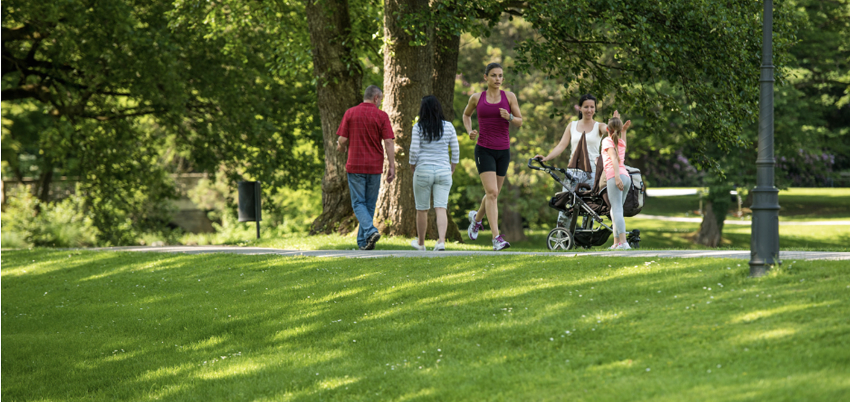
Shaded streets and paths are used more often, by more people. Comfort directly influences how communities move through and occupy space.
Tree canopy is not evenly distributed. Across cities and regions, neighborhoods with lower incomes and fewer resources consistently experience higher temperatures, less shade, and fewer green amenities. These same areas are often more walkable out of necessity, meaning residents are exposed to extreme heat and uncomfortable conditions simply moving through their own neighborhoods.
Shade trees reduce surface and air temperatures, filter pollutants, improve air quality, and lower energy costs. But beyond these environmental benefits, trees directly influence how people use space.
Shaded streets are used more. People walk more. People linger. People interact.
And where people are present, connected, and comfortable, CPTED principles naturally come into play.
Where people feel comfortable, they show up. Where people show up, CPTED principles begin to work naturally.
Shade Trees and the Core CPTED Principles
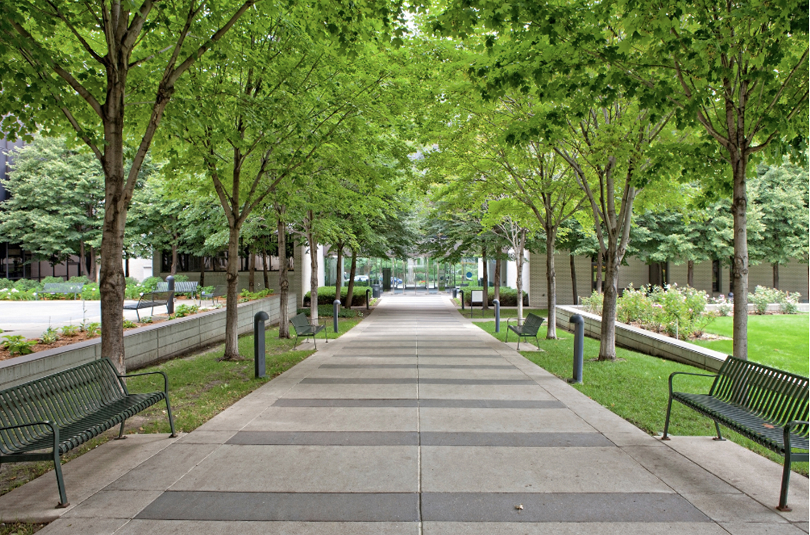
Well designed, shaded walkways communicate care, visibility, and intention—key signals of territorial reinforcement and maintenance.
Natural Surveillance
Shaded sidewalks and streets are more inviting. When people are comfortable walking, sitting, and spending time outdoors, natural observation increases. This everyday presence discourages unwanted behavior and strengthens informal guardianship.
Territorial Reinforcement
Maintained planting strips and visible greenery signal care, ownership, and stewardship. Native plantings and trees communicate that a space matters and that someone is paying attention—one of the most powerful cues of territorial reinforcement.
Maintenance
Native trees and plants are well suited to local climate conditions. They require less water, fewer chemical inputs, and less long term maintenance. When landscapes survive and thrive, they reinforce the message that a space is actively cared for, rather than neglected.
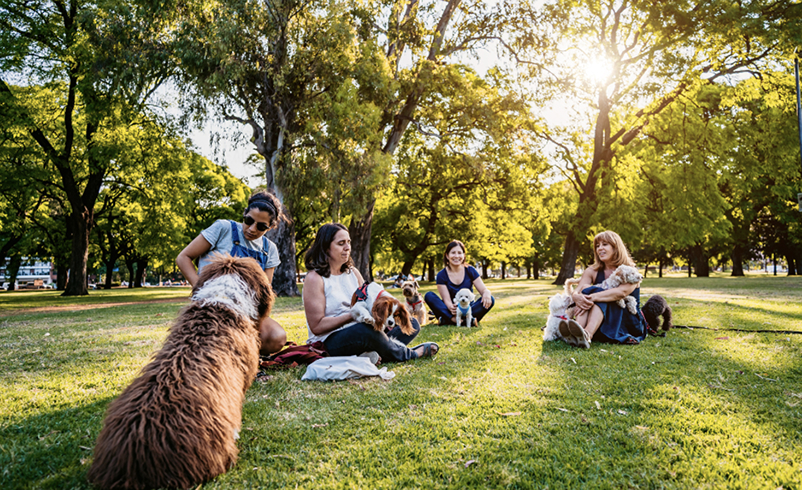
When shade makes spaces usable, people linger, interact, and observe—strengthening natural surveillance through everyday activity.
Positive Activity Generators
Green, shaded corridors encourage walking, biking, social interaction, and connection between neighbors. These are not programmed activities—they are organic, everyday uses of space that strengthen community cohesion.
Trees do not just cool neighborhoods. They activate them.
Reclaiming Neglected Micro Spaces
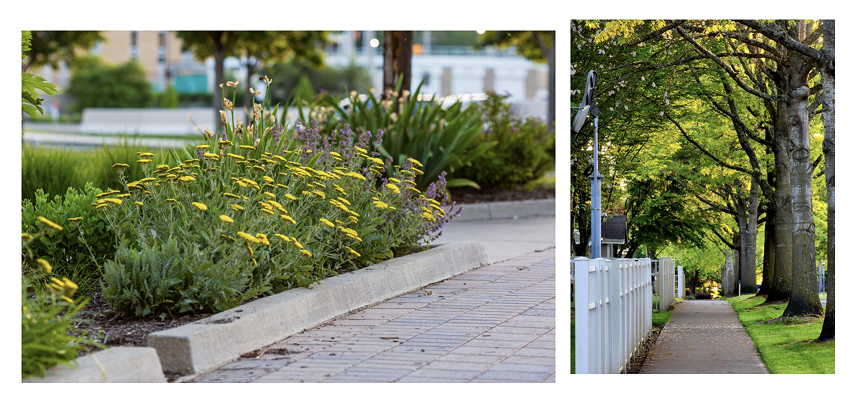
Tree lined sidewalks and planting strips turn overlooked spaces into linear community assets that support walkability, comfort, and stewardship.
Those narrow planting strips along roads, medians, and sidewalks are often treated as afterthoughts. But when designed intentionally, they become linear community assets.
Using native, drought tolerant, shade providing trees and plants in these spaces offers multiple benefits:
• Reduced heat and glare
• Lower water and maintenance costs
• Increased walkability
• Improved neighborhood appearance
• Clear signals of care and stewardship
These micro spaces also provide an accessible entry point for community involvement. Residents, neighborhood associations, and local organizations can participate in planting and care, fostering ownership and pride without requiring large scale redevelopment.
Small spaces, when designed well, create big CPTED impacts.
A Local Example: St. Petersburg, Florida

Intentional tree placement and maintenance in public rights of way reflect planning, equity, and long term community investment.
St. Petersburg provides a practical, regional example of how tree and shade equity can be addressed intentionally. Through programs like the Neighborhood Tree Matching Mini Grant and broader urban forestry planning efforts, the city has focused on increasing canopy coverage, diversifying species, and prioritizing areas with lower tree access.
St. Pete’s approach emphasizes:
• Community driven planting projects
• Use of native, climate appropriate trees
• Data informed canopy assessments
• Public right of way and neighborhood scale interventions
Equally important, the city has adopted a Community Forestry model that engages residents in identifying local priorities and stewardship goals. This bottom up approach recognizes that long term success depends not just on planting trees, but on building relationships between people and place.
Trees As Long Term Community Investment
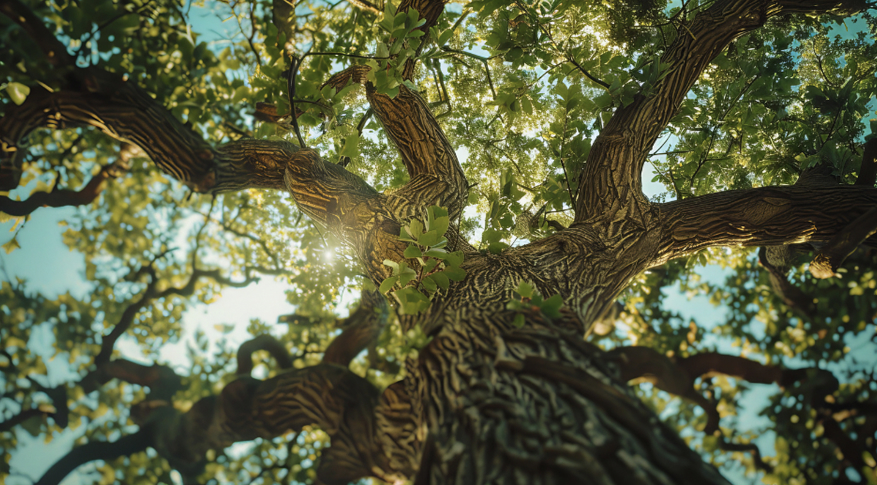
Mature trees represent time, stability, and care—public investments that continue to deliver social, environmental, and safety benefits as they grow.
Trees are one of the few public investments that appreciate over time. As they grow, their benefits increase—more shade, better cooling, stronger environmental performance, and greater social value.
From a CPTED perspective, this matters. Spaces that improve over time support stability, reinforce positive use, and strengthen a community’s sense of future.
Tree and shade equity is about more than beautification. It is about fairness, health, safety, and dignity in everyday spaces. It is about ensuring that all neighborhoods—not just a few—benefit from environments that support connection, activity, and care.
Few public investments appreciate over time. Trees do.
Moving Forward
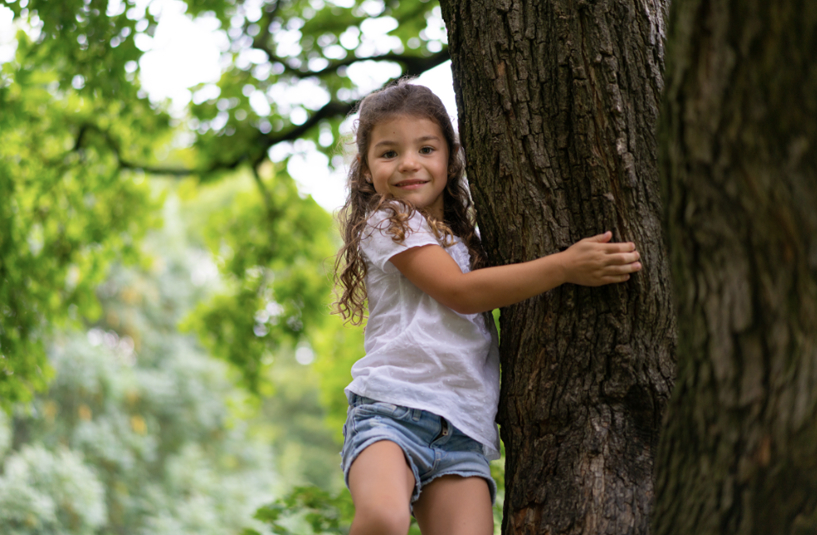
Green, shaded spaces support connection, comfort, and shared responsibility—foundations of safer, healthier communities.
As CPTED practitioners, planners, designers, and community leaders, we should continue to expand how we think about safety. Shade trees, native plants, and everyday green infrastructure belong in CPTED conversations—not as secondary considerations, but as essential components of safer, healthier communities.
Sometimes the most impactful crime prevention strategies are rooted not in enforcement or technology, but in the quiet work of making neighborhoods more livable, comfortable, and connected—one tree at a time.

Joelle Hushen – President and CEO
Joelle Hushen, as the Executive Director of the NICP, Inc., is responsible for course curriculum, standards, and evaluation. This includes the development and maintenance of the NICP’s CPTED Professional Designation (CPD) program, which has become the recognized standard for CPTED professionals. As part of the CPD program Joelle designed the CPTED Review, Exam, & Assessment Course and is the lead instructor.
Joelle has a background in education and research with a Bachelor of Science degree from the University of South Florida. She has completed the Basic, Advanced, and Specialized CPTED topics, and holds the NICP, Inc.’s CPTED Professional Designation. Joelle is a member of the University of South Florida Chapter of the National Academy of Inventors, and the Florida Design Out Crime Association (FLDOCA).
Ready to Earn Your CPTED Certification?
Take the next step toward becoming a CPTED professional. Our in-person and online training options will prepare you to assess environments, apply proven CPTED strategies, and earn your CPD designation. Learn how to design safer, more livable spaces that strengthen communities and reduce crime before it happens.