
Where CPTED, Physical Security, and Technology Intersect in Creating Safer Places By Joelle Hushen – President and CEO In today’s conversations around safety and security, it’s common to hear strong opinions about what works best. Some advocate for more technology. Others focus on physical security measures. And in many cases, these approaches are treated as separate or even competing strategies.…
The U.S. Army has formally integrated CPTED into its crime prevention strategy. This article explains how environmental design is being used to reduce risk, improve readiness, and strengthen security at a federal level.
A CPTED certification is not a job title, it is a skill set. This article looks at how CPTED applies across industries and how it strengthens roles in public safety, design, and community development.
Safety conversations are changing. This article looks at how a shared language around CPTED is helping professionals and communities align, collaborate, and better understand how design influences safety.
How do the concepts described as 2nd and 3rd Generation CPTED compare to the original CPTED principles? This article examines the generational debate and explains why professional consistency and the core CPTED principles continue to guide effective Crime Prevention Through Environmental Design.
Safety is becoming part of how communities design and care for their spaces. The CPTED Movement brings structure to that shift through education, design, and shared responsibility.
Learn how using CPTED in problem solving can reduce crime in buildings, single family homes, and neighborhoods. Discover how environmental design strategies address the root causes of crime and create safer spaces.
The CPTED guidelines are a living framework shaped by practice, people, and place. See how the CPTED Movement and USCA 2026 highlight shared stewardship and applied crime prevention.
The National Institute of Crime Prevention and the U.S. CPTED Association announce a partnership with FLIR – Extech to support applied CPTED lighting assessment through measured data and professional tools.
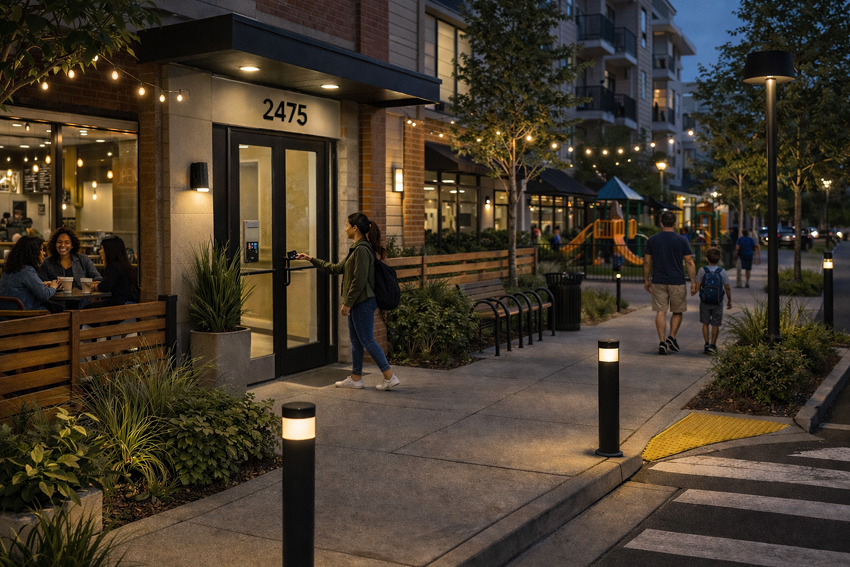
How CPTED after dark supports safety, workforce stability, and economic vitality by designing cities for legitimate activity, visibility, and human presence at night.