
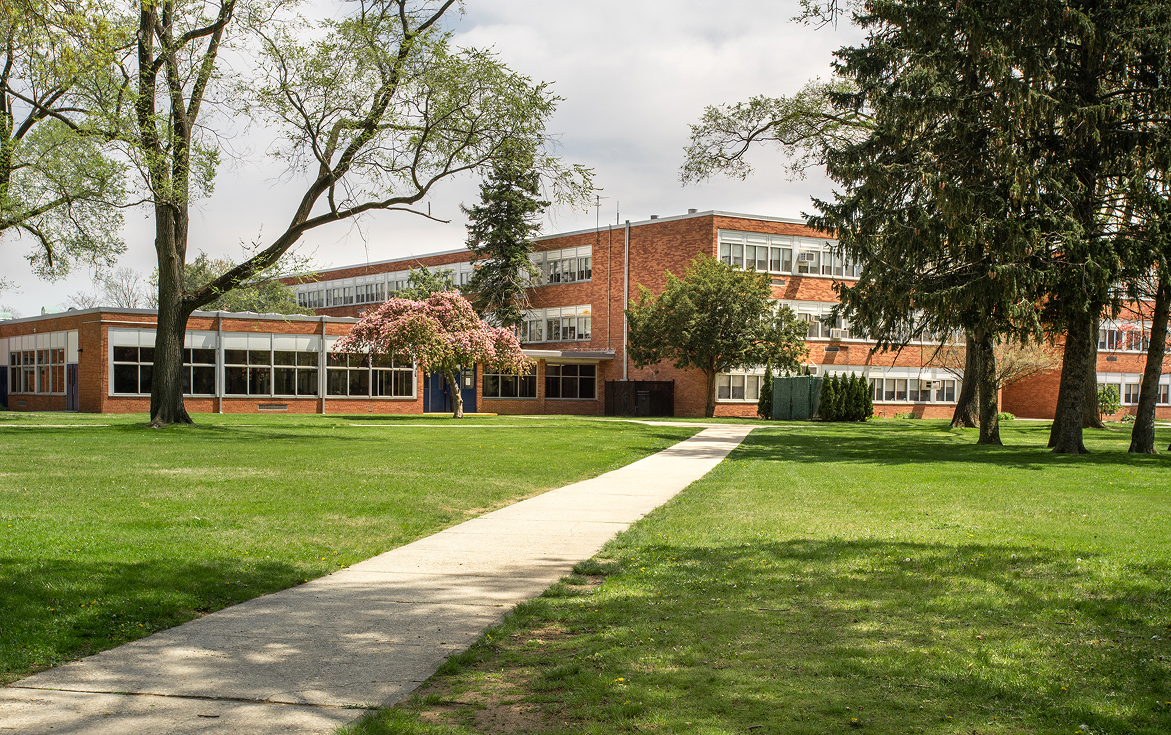
Fear has no place in a learning environment. And yet, many schools today are designed in ways that unintentionally invite anxiety, isolation, or worse—opportunities for crime. The solution lies not just in policies or enforcement but in the very design of school spaces. This is where Crime Prevention Through Environmental Design (CPTED) becomes a powerful force for change.
At its core, CPTED helps schools create spaces that support safety, visibility, and positive social behavior. It’s a design philosophy grounded in decades of practical use and proven outcomes. When implemented correctly, CPTED doesn’t just deter criminal behavior—it reshapes how students and staff experience their environment. Fear is reduced, incidents drop, and schools become spaces where everyone can thrive.
In this article, we’ll walk through the essential principles of CPTED for schools and explain how they directly impact fear, crime, and learning. Whether you’re a school administrator, safety professional, or facilities planner, these insights can transform how you approach school design and daily operations.
What is CPTED and Why It Matters for Schools
Crime Prevention Through Environmental Design (CPTED) is not a security system or a checklist of upgrades. It’s a way of thinking about how the physical environment can influence behavior—for better or worse.
In schools, this means asking critical questions:
-
Are hallways inviting natural surveillance or hiding potential trouble spots?
-
Do students feel a sense of ownership and pride in the spaces they occupy?
-
Is access to the campus clearly controlled without feeling oppressive?
-
Do staff and visitors have a clear line of sight across key areas?
When these questions guide design decisions, the impact is measurable. Schools that apply CPTED principles tend to see lower levels of fear among students, fewer reported incidents, and stronger engagement from the entire school community.
The Four Pillars of CPTED in School Environments
The core CPTED principles—natural surveillance, access control, territorial reinforcement, and maintenance—are deeply applicable to school campuses.
1. Natural Surveillance
When students, staff, and visitors can see what’s happening around them, and when they feel seen in return, a major layer of safety is already in place.
Natural surveillance doesn’t rely on cameras or mirrors alone. It starts with how spaces are laid out. Schools with open sightlines, properly positioned windows, and common areas that invite visibility can dramatically reduce the likelihood of misbehavior or crime.
Take, for example, an outdoor commons area. If it’s surrounded by blank walls and tall hedges, it becomes an easy place for bullying or vandalism to occur unnoticed. But when classrooms or staff offices overlook that space, behavior tends to improve. Simply knowing that someone might be watching can be enough to change outcomes.
It’s not just about reducing crime—it’s also about reducing the perception of fear. Students report feeling safer in areas where they can see and be seen. This feeling of safety is a foundational part of learning and mental health.
2. Natural Access Control
Every school needs to control who enters and exits the property—but CPTED approaches this goal in ways that feel integrated and respectful.
Instead of fences and gates that feel like prison architecture, CPTED encourages thoughtful design that guides behavior through layout. Primary entrances should be easy to find, well-marked, and naturally funnel visitors through monitored points. Side doors should be minimized or locked from the outside during school hours. Breezeways and open hallways should be arranged to avoid uncontrolled pass-throughs.
Schools that lack good access control tend to struggle with more than just security. Confusing layouts, multiple unmonitored entrances, and unlocked windows make it easier for unauthorized individuals to enter or for students to sneak out.
CPTED doesn’t call for “locking down” a school. Instead, it promotes clear, consistent control in ways that support both safety and dignity.
3. Territorial Reinforcement
Students take better care of spaces they feel ownership over. CPTED emphasizes the importance of clearly defined boundaries and visual cues that say, “This is ours.”
A well-maintained school entry with colorful signage, student artwork, and landscaping creates a sense of pride. Fences, signs, and even pavement markings can help define which areas are public, semi-private, or off-limits. These territorial signals matter—not just for security, but for building a school culture rooted in respect.
Even within a school, creating micro-territories—such as grade-level hallways or themed classrooms—can help students feel more connected and responsible for their environment.
When a school looks cared for, people behave as if it is. When it doesn’t, that care breaks down—and fear often fills the void.
4. Maintenance
It’s easy to underestimate the power of simple upkeep, but CPTED places maintenance at the same level of importance as layout or access control.
A broken window, a light fixture that stays dark for weeks, or graffiti left unchecked sends a message: No one is watching. No one cares.
On the other hand, routine maintenance communicates that a school is attentive, active, and safe. Trash is picked up, landscaping is trimmed, paint is fresh, and broken items are fixed quickly. These aren’t just aesthetic details—they’re crime prevention strategies.
A well-maintained school helps students feel calm, focused, and respected. It also discourages vandalism, trespassing, and other unwanted behavior.
Less Crime, Less Fear: The Research Behind CPTED for Schools
The real-world outcomes of CPTED are not just anecdotal. Multiple assessments have shown that schools applying CPTED principles see marked reductions in reported crime and lower levels of student fear.
For example, students in CPTED-informed campuses were more likely to say they felt safe at school and less likely to report fear in common areas like hallways, bathrooms, or near the school entrance. Incidents of theft, bullying, and vandalism declined, while staff reported fewer disciplinary issues.
In some cases, schools were able to reduce the need for additional security staff by enhancing natural surveillance and access control. The campus itself became part of the safety strategy, not just the backdrop for it.
What’s striking is that many of these improvements came from design changes rather than increased enforcement. Adjusting classroom layouts, adding visibility to restrooms, redesigning entryways, or clearly marking visitor routes all played a role.
CPTED as a Daily Practice, Not a One-Time Fix
CPTED works best when it becomes part of the school’s ongoing culture, not just a one-time audit or redesign. This means:
-
Walking the campus regularly with a CPTED lens
-
Listening to student and staff feedback on “trouble spots”
-
Updating signage and visibility as needs evolve
-
Training maintenance teams to understand the connection between repairs and crime prevention
-
Including CPTED in renovation, expansion, and new construction projects
It also means collaboration across roles—from principals and custodians to architects and security officers. Everyone plays a part in creating a safer school environment.
Designing Schools Where Students Can Focus on Learning
Ultimately, CPTED isn’t about reacting to violence or responding to fear—it’s about proactively building spaces where students feel safe, supported, and ready to learn.
By understanding how the environment affects behavior, we can shape schools where crime is less likely to occur—and where fear doesn’t take root in the first place. Classrooms become more focused. Hallways feel calmer. Parents worry less. Teachers teach more effectively. And students can finally focus on what matters most.
Take the CPTED for Schools Course!
If you’re ready to put CPTED into action at your school or organization, our Specialized Topics: CPTED for Schools course is the next step. Whether you’re looking to enhance safety, renew your Certified CPTED Professional (CPD) designation, or simply gain deeper insight into design-based solutions, this course provides everything you need.