

How CPTED after dark supports safety, workforce stability, and economic vitality by designing cities for legitimate activity, visibility, and human presence at night.

Patrick LowryJanuary 23, 2026







Download a clear introduction to how safety expectations are changing and what CPTED looks like today across communities, design, and the built environment.

At a recent industry event hosted by the Secure Buildings Council in New York, a short panel discussion caught my attention. The topic was simple but revealing: safety in the built environment is shifting from an amenity to an expectation.

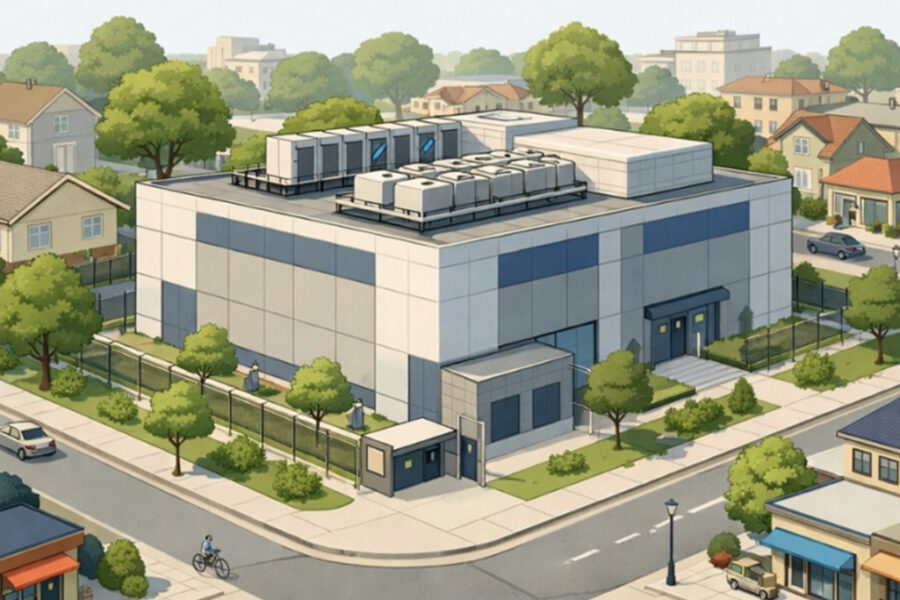
Across the country, communities are starting to push back against large data center developments—not because they are anti-technology, but because they are beginning to understand the long-term impacts these facilities can have when planning stops at approval.

CPTED and problem solving go hand in hand when it comes to reducing crime and creating safer, more resilient communities. While traditional crime response models focus on enforcement and reaction, CPTED emphasizes prevention by reshaping the environment.

Discover how Crime Prevention Through Environmental Design (CPTED) can transform your spaces, reduce crime, and foster safer, stronger communities. Learn why CPTED is essential for organizations of all sizes.

Creating a safe and supportive learning environment is essential to student success. But achieving this goal requires more than reactive measures or heightened surveillance. It demands a proactive design approach that considers how physical space influences behavior, perception, and wellbeing

CPTED and problem solving go hand in hand when it comes to reducing crime and creating safer, more resilient communities. While traditional crime response models focus on enforcement and reaction, CPTED emphasizes prevention by reshaping the environment.

Discover how Crime Prevention Through Environmental Design (CPTED) can transform your spaces, reduce crime, and foster safer, stronger communities. Learn why CPTED is essential for organizations of all sizes.

Discover how an NICP CPTED certified professional can enhance your design team by creating safer, more sustainable environments, ensuring regulatory compliance, and fostering community well-being.

© 2026 The NICP - CPTED Training.