Winter markets support CPTED by activating public space during colder months. Learn how seasonal programming strengthens natural surveillance, community connection, and safety year-round.
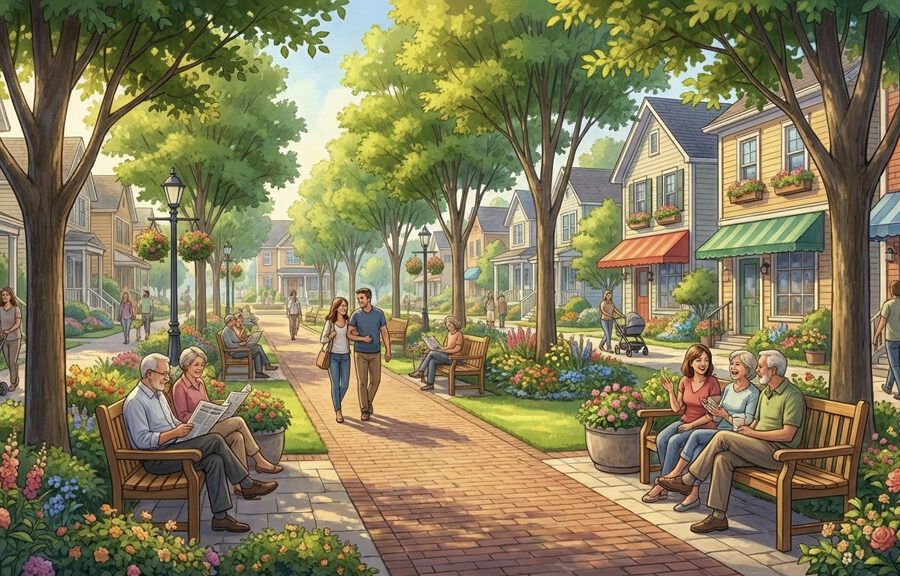
Tree and shade equity plays a critical role in CPTED by improving comfort, walkability, and natural surveillance. Learn how everyday green infrastructure supports safer, more connected communities.
Violent crime doesn’t just affect individuals. It ripples through entire communities, shaping how people feel in their homes, schools, and public spaces. Nonprofit organizations, often embedded deeply in the neighborhoods they serve, are uniquely positioned to lead positive change. And while their approaches traditionally focus on programming and services, there’s another tool they can use to support safer communities: Crime…
Crime Prevention Through Environmental Design is built on a simple idea: the way a place is designed influences how people behave within it. Few design elements demonstrate this more clearly than lighting. Street lighting does far more than help people see where they are going. It shapes how safe a space feels, whether people choose to use it, and how…
Across the country, communities are starting to push back against large data center developments—not because they are anti-technology, but because they are beginning to understand the long-term impacts these facilities can have when planning stops at approval.
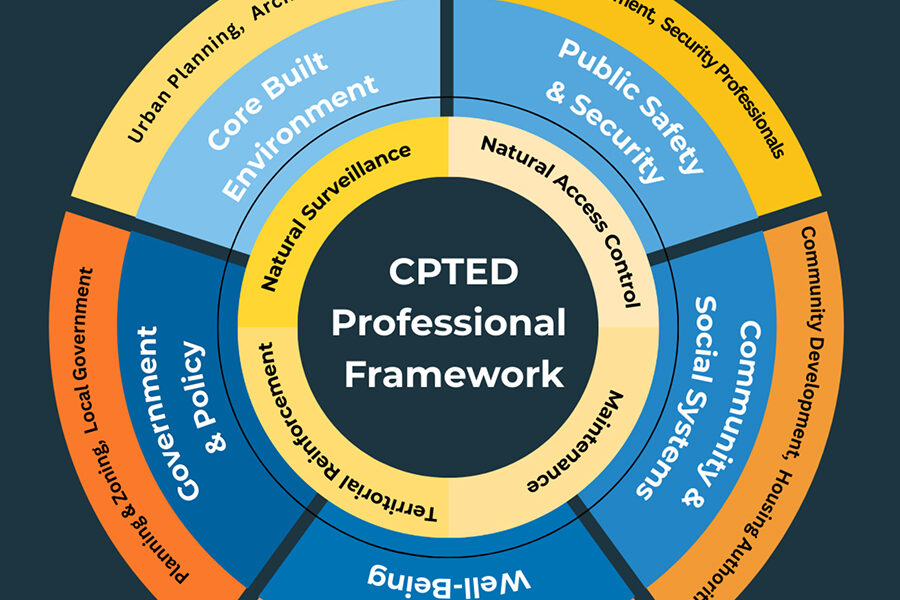
Safety is shifting from an amenity to an expectation. This article explores how CPTED connects design, human behavior, and community in the built environment.
Learn how CPTED for parks encourages positive behavior and community pride by aligning design with natural surveillance, access control, territorial reinforcement, and ongoing maintenance.
Creating a safe and supportive learning environment is essential to student success. But achieving this goal requires more than reactive measures or heightened surveillance. It demands a proactive design approach that considers how physical space influences behavior, perception, and wellbeing. Crime Prevention Through Environmental Design (CPTED) offers a framework that does just that. By addressing the relationship between school design…
Learn how CPTED for schools reduces fear and crime through better design, improved visibility, and proactive planning. Discover real strategies and training options to make your campus safer.
The NICP introduces its new CPTED for Libraries course, helping library professionals apply CPTED principles to enhance safety, accessibility, and design. Earn CPD renewal credit and learn how thoughtful design supports safer, more welcoming library spaces.