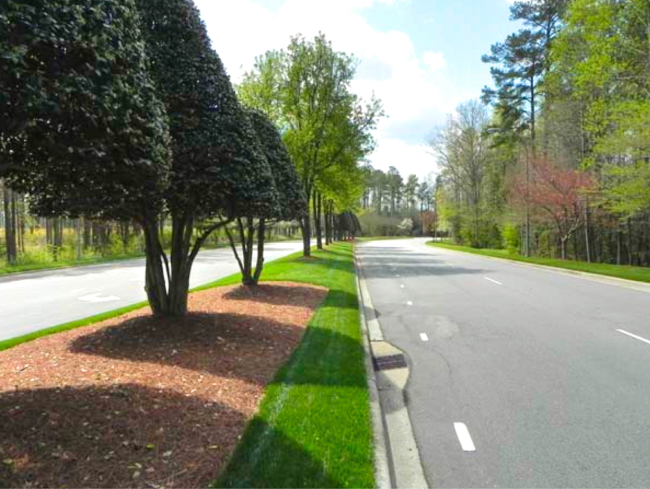

The U.S. Army has formally integrated CPTED into its crime prevention strategy. This article explains how environmental design is being used to reduce risk, improve readiness, and strengthen security at a federal level.
How do the concepts described as 2nd and 3rd Generation CPTED compare to the original CPTED principles? This article examines the generational debate and explains why professional consistency and the core CPTED principles continue to guide effective Crime Prevention Through Environmental Design.
In recent years, colorful murals have become a popular symbol of community revitalization. They brighten walls, attract attention, and often make neighborhoods welcoming. But while murals and other forms of public art can enhance a place visually, they aren’t automatically examples of Crime Prevention Through Environmental Design (CPTED). As a CPTED professional, you must consider the purpose of the mural.
CPTED, or Crime Prevention Through Environmental Design, certification is a professional credential that signifies an individual’s expertise in using environmental design to reduce crime and enhance safety.
Explore the true meaning of community in Crime Prevention Through Environmental Design (CPTED) and how shared values, trust, and engagement play a vital role in safer environments.